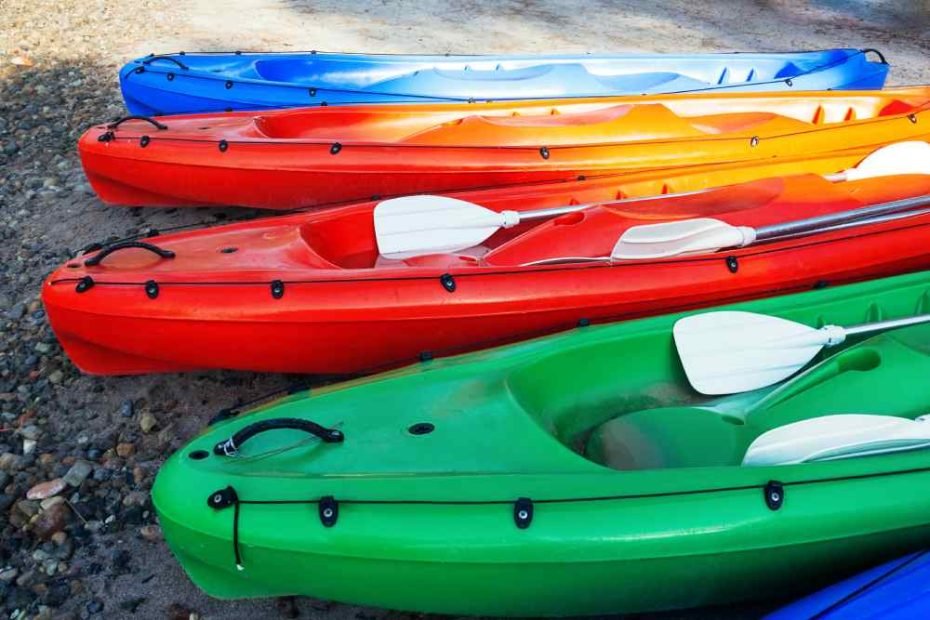
Everything You Need to Know About Renting Kayaks
If you’ve always wanted to try kayaking but don’t own one, renting a kayak is the perfect solution. It’s affordable, beginner-friendly, and gives you the freedom to explore rivers, lakes, or coastal waters without the hassle of storage and transport. In this guide, we’ll cover everything you need to know about renting kayaks—from costs and requirements to safety tips and types of kayaks available.
Why Rent a Kayak Instead of Buying?
-
Cost-Effective: Renting is much cheaper than purchasing a kayak, especially if you only paddle occasionally.
-
Convenience: No need to worry about transporting or storing a kayak.
-
Variety: You can try different types of kayaks (recreational, touring, tandem, or sit-on-top) before deciding which one suits you best.
-
Beginner-Friendly: Rental shops often provide basic instructions and safety gear.
Typical Kayak Rental Costs
Rental prices vary by location and type of kayak:
-
Hourly rentals: $10–$20 per person
-
Half-day rentals (3–4 hours): $30–$50
-
Full-day rentals (6–8 hours): $50–$80
-
Tandem kayaks: Usually cost slightly more than single kayaks
Some rental companies also offer guided tours, which include equipment, instructions, and a guide for an extra fee.
What’s Included in a Kayak Rental?
Most kayak rental packages include:
-
The kayak (single or tandem)
-
A paddle
-
A personal flotation device (PFD or life jacket)
-
Basic instructions for beginners
Optional add-ons may include dry bags, waterproof phone cases, or spray skirts for sit-in kayaks.
Requirements for Renting a Kayak
While rules vary, most rental companies require:
-
Minimum age: Usually 16+ to paddle solo (younger children can ride in tandem with an adult).
-
ID or deposit: A valid photo ID or credit card may be needed.
-
Waiver form: You’ll typically sign a liability waiver.
-
Basic swimming ability: For safety, renters should know how to swim.
Tips for a Smooth Kayak Rental Experience
1. Choose the Right Kayak
-
Recreational kayaks: Best for calm lakes and short trips.
-
Sit-on-top kayaks: Great for beginners and warm weather.
-
Touring kayaks: Ideal for longer distances and open water.
-
Tandem kayaks: Perfect for couples or families.
2. Dress Appropriately
Wear quick-dry clothing, water shoes, and bring sunscreen. Avoid cotton—it stays wet and uncomfortable.
3. Listen to Instructions
Rental staff often provide a short safety briefing. Pay attention, especially if you’re a beginner.
4. Check the Weather
Avoid strong winds, thunderstorms, or rough water conditions.
5. Plan Your Route
Ask rental staff about safe paddling areas, estimated distances, and recommended routes for beginners.
Safety Tips for Renting Kayaks
-
Always wear your life jacket, even if you’re a strong swimmer.
-
Stay close to shore if you’re new to kayaking.
-
Bring water, snacks, and a waterproof phone case.
-
Paddle with a buddy whenever possible.
-
Return the kayak on time to avoid extra charges.
Final Thoughts
Renting a kayak is one of the easiest and most affordable ways to enjoy the water. Whether you’re on vacation, exploring a local lake, or testing out kayaking before buying your own, rentals offer flexibility and convenience. By knowing what to expect, what to bring, and how to stay safe, you’ll be ready for a fun and memorable kayaking adventure.
So next time you’re near the water, don’t hesitate—rent a kayak and start paddling!
👉 Pro Tip: If you plan to kayak frequently, consider renting several times to try different models before investing in your own kayak.